
Executive Summary:
A professional concrete installation follows a clear sequence: site preparation, forming, reinforcement, pouring, and curing. Each stage protects the strength and appearance of the finished surface. In Florida, weather and soil conditions shape how the work is scheduled and managed. Knowing this process helps homeowners plan and know what to expect from their contractor.
Getting concrete work done on your property can feel like a bit of a mystery if you have never gone through it before. You see the crew show up, hear the mixer truck, and a few days later there is a new slab where dirt or old concrete used to be. To understand the concrete installation process in FL, homeowners can make the experience less stressful and know what to ask before work begins.
This guide walks through what a professional concrete installation looks like from the first site visit to the final cure, how Florida’s climate affects the timeline, and what you should do to get your property ready.
What Are The Steps Involved In Professional Concrete Installation?
Florida’s soil and weather are not the same as what you would find further north. High water tables and heavy seasonal rain put extra demands on a concrete slab, which is why hiring a contractor who understands local conditions makes a real difference in how long your concrete lasts.
1. Site Preparation and Grading
Before pouring any concrete, the crew clears the area of grass, debris, and old material, then grades the ground so water flows away from the new slab instead of collecting under it. This is also when the crew checks soil conditions, since loose or sandy ground often needs extra compaction to support a slab.
2. Forming and Reinforcement
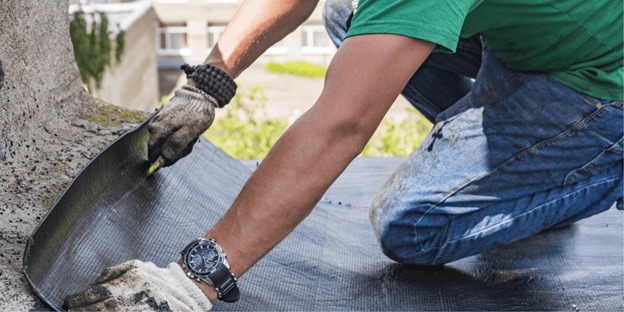
Wood or metal forms are set to shape and contain the concrete exactly where it needs to go, giving the slab clean, straight edges. Steel mesh or rebar is then placed inside those forms, positioned within the concrete rather than at the surface, so it can hold the slab together as it shifts slightly with temperature and moisture over time.
3. The Pour
The mix is delivered, poured into the forms, and spread evenly while it is still workable. Crews work quickly and deliberately here, checking thickness and level as they go. Timing matters a lot in this stage, since concrete sets faster in Florida’s heat, leaving a shorter window to get the surface right before it starts to firm up.
4. Finishing and Curing
Once the pour is complete, the surface is finished with the chosen texture, such as a simple broom finish for grip or a smoother, more decorative look. From there, the slab cures under controlled conditions before it’s ready for regular foot or vehicle traffic.
5. A Quick Note on Curing Time
Curing is not the same as drying. Concrete can look dry on the surface within a day, but it needs weeks to reach full strength underneath, as the chemical reaction that hardens it continues well after the surface stops feeling wet.
How Is Concrete Installed For Residential Properties In Florida?
Residential jobs follow the same basic steps as larger projects, just on a smaller scale. Driveways, patios, and walkways all start with a site assessment, since Florida ground conditions can vary quite a bit even between neighboring properties. A short walkway might be finished in a single visit, while a driveway or patio usually takes a few days once prep work and finishing are factored in.
If you wish to get your project started as soon as possible, reach out to Apex Concrete. As trusted concrete contractors in Florida, homeowners rely on us for a free, no-pressure estimate. Request an estimate for your property today!
How Long Does Professional Concrete Installation Take In Florida?
Curing timelines are fairly consistent across the industry, and the table below reflects the general guidance most contractors follow for a standard residential mix.
Concrete Curing Timeline
| Stage | Typical Timeframe |
| Forms removed / light foot traffic | 24–48 hours |
| Safe for personal vehicles | About 7 days |
| Safe for heavy trucks or machinery | About 28 days |
| Full design strength reached | 28 days |
Actual timing shifts based on project size, the mix used, and the weather during the pour. A contractor with real local experience can usually give you an accurate estimate after the first site visit.
What Happens Before And After Concrete Is Poured?
A lot of what determines how your slab turns out happens outside the pour itself.
Before the Pour
The crew finishes grading, sets the forms, places reinforcement, and checks the layout and drainage plan one last time.
After the Pour
The crew levels, finishes, and often covers the concrete so it cures evenly, which matters most during Florida’s hotter months when the surface can dry out faster than the concrete underneath.
What Should Homeowners Do Before A Concrete Crew Arrives?
A little preparation on your end goes a long way toward keeping the project on schedule.
- Clear furniture, plants, and vehicles from the work area
- Keep pets and kids away from the site during work hours
- Confirm access for trucks and equipment
- Have your questions about design and finish ready to discuss
Handling these details ahead of time helps the crew get straight to work instead of losing time on avoidable setup issues.
How Does Florida Weather Affect Concrete Installation?
Florida’s climate affects concrete work more than most people expect. Heat speeds up how fast concrete sets, shortening the window a crew has to finish and level the surface. Sudden afternoon storms, common during the rainy season, can also throw off a schedule, since fresh concrete needs protection from heavy rain right after it is poured. Experienced Florida crews plan around heat, humidity, and slab thickness, all of which change how fast a pour needs to be managed.
Signs of a Well-Managed Pour
A properly managed pour usually shows a consistent finish, no visible pooling, and clean, straight edges along forms and joints.
FAQs
How should the property be prepared on installation day?
Make sure the work area is clear and easy to access, and keep pets and children away from the site while the crew is working.
What should be removed from the area before concrete work begins?
Clear furniture, potted plants, vehicles, toys, and loose debris before the crew arrives. The crew typically handles old concrete removal during prep.
How long should people stay off newly poured concrete?
Stay off newly poured concrete for at least 24 to 48 hours and avoid driving on it for about a week. Full strength takes closer to 28 days.
What happens if it rains during a concrete installation?
Light rain after the surface has started to set usually is not a major problem, but heavy rain during or right after a pour can affect the finish. Experienced crews watch the forecast and delay a pour or protect fresh concrete if rain is expected too soon.
What Should I Expect During A Concrete Installation In Florida?
Concrete work is not a one-and-done task. It is a process with several stages, and each one matters for how the final surface holds up.
Conclusion
A professional concrete installation involves far more than showing up and pouring a slab. From site assessment to the final weeks of curing, every step affects how long your new surface lasts. Knowing what to expect and doing a bit of prep on your end helps the project go smoothly.
Give your property the strong, durable foundation it deserves with Apex Concrete. From thorough site preparation to precise finishing and proper curing, our experienced team handles every stage with Florida’s climate and soil conditions in mind. Get your free, no-pressure estimate today and enjoy dependable workmanship backed by our trusted concrete services in Florida.